
After more than three decades of working with businesses and organizations on their brands, I’ve learned that one of the most important decisions often happens before we design anything.
The question of a brand refresh vs. rebrand usually comes down to how much of the existing identity still has value—and how much needs to change.
How much should we change?
Sometimes a client comes to us knowing their identity feels dated. Maybe the logo no longer works well digitally. Maybe marketing materials have become inconsistent. Maybe the organization has grown, but its visual identity hasn’t grown with it.
Other times, something more fundamental has changed. The company has evolved. Its audience is different. Its services have expanded. Its position in the marketplace has shifted. What the organization is today simply isn’t what the existing brand communicates.
Those may sound like similar problems.
They aren’t.
One may call for a brand refresh.
The other may require a rebrand.
Knowing the difference can save an organization from changing too much—or not changing enough.
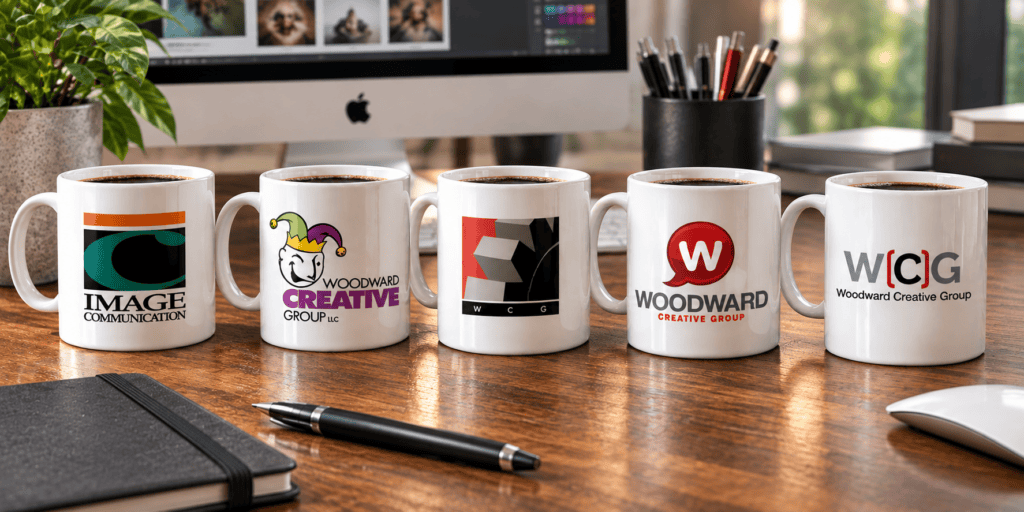
When clients come to us ready to update their identity, there’s a natural temptation to start looking at logos.
Should we simplify it?
Change the typeface?
Update the colors?
Make it feel more contemporary?
Those are legitimate questions. But they aren’t the first questions we should be asking.
Before changing anything, we need to understand why the client believes something needs to change.
Has the business changed?
Has the audience changed?
Has the competition changed?
Is the problem really the identity—or is it simply how inconsistently that identity has been used?
And perhaps most importantly:
What does the existing brand already have working in its favor?
That last question matters more than people sometimes realize.
A brand that has been in the marketplace for years may have accumulated something extremely valuable: recognition.
People recognize the name.
They recognize the colors.
They recognize the logo.
They associate those elements with experiences they’ve had with the organization.
That is brand equity.
And we don’t want to throw it away simply because something looks a little dated.
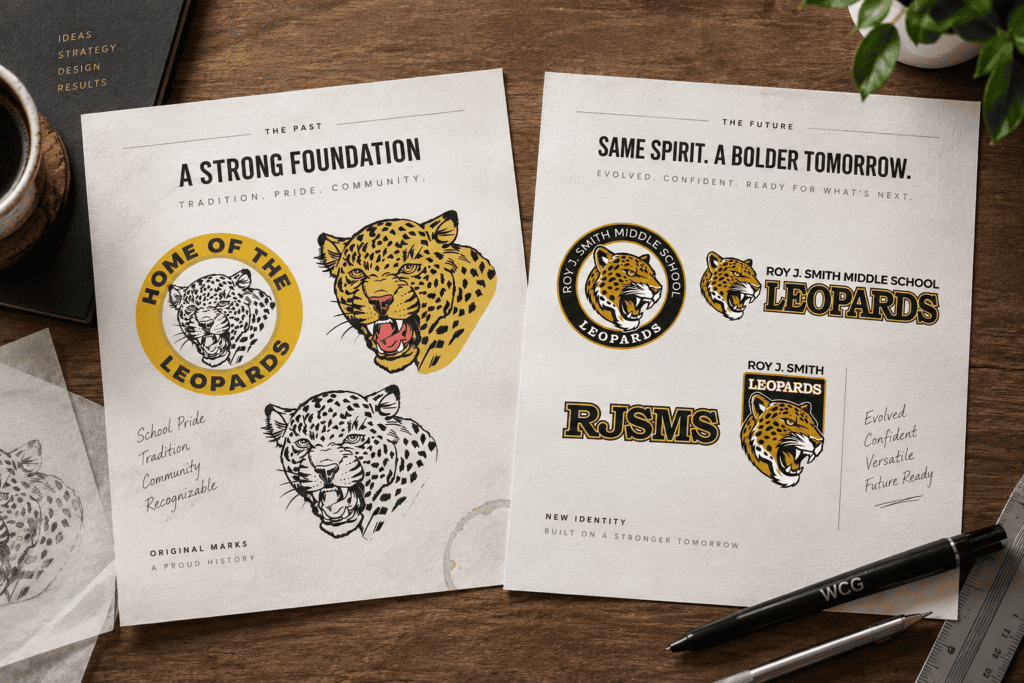
A brand refresh is appropriate when the foundation is still right but the expression of the brand needs improvement.
I think of it as evolution rather than reinvention.
The organization hasn’t fundamentally changed. Its customers still know who it is. Its position in the marketplace is still relevant. There is value in the recognition it has built.
But the identity may need to catch up.
That could mean refining a logo so it reproduces better at small sizes.
Simplifying an overly complicated mark.
Updating typography.
Refining colors.
Creating better secondary marks and logo configurations.
Establishing standards that make everything from the website to social media to signage feel like it comes from the same organization.
The objective isn’t to make the organization look like someone else.
It’s to make it look like a better version of itself.
And sometimes that’s exactly what a brand needs.
There are also situations where preserving the existing identity can actually hold an organization back.
Maybe the company has moved into entirely different markets.
Maybe its products or services have changed substantially.
Maybe the audience it needs to reach today isn’t the audience the original brand was created to reach.
Maybe the organization has undergone a merger, changed ownership, expanded geographically, or repositioned itself competitively.
Or maybe the existing identity simply communicates something the organization no longer wants to be.
That’s when the conversation becomes bigger than updating a logo.
It’s time to talk about a rebrand.
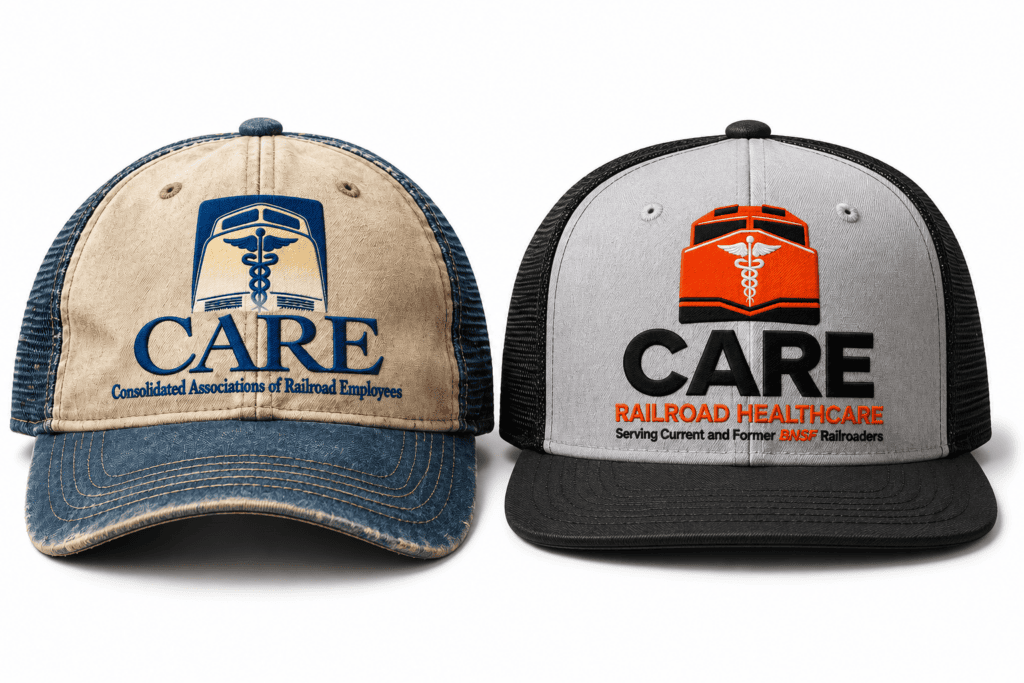
A true rebrand asks us to reconsider the organization from the inside out.
What does it stand for today?
Where is it going?
Who does it need to reach?
What makes it relevant?
What should people understand about it that they don’t understand today?
How should it sound?
How should it feel?
And ultimately, what position should it occupy in people’s minds?
Only after answering those questions should we begin deciding what the new identity looks like.
This is where experience becomes particularly valuable.
A client shouldn’t have to walk into our studio already knowing whether they need a refresh or a rebrand.
Helping them figure that out is part of our job.
Over the years, we’ve seen organizations make both mistakes.
Some are so eager for something new that they’re ready to abandon recognizable brand elements that still have tremendous value.
Others are understandably hesitant to make a significant change, even when their current identity no longer represents the organization they’ve become.
Neither decision should be driven by personal taste.
And it certainly shouldn’t be driven by what’s trendy.
The decision should come from understanding the business.
We look at the history of the brand.
We look at where the organization is today and where leadership wants to take it.
We consider its audience, competitors, marketplace and existing brand equity.
We look at how the identity actually performs across websites, social media, signage, print, advertising and other applications.
Then we ask a relatively simple question:
Is the existing brand helping the organization move forward—or is it holding it back?
The answer begins to tell us how far we need to go.
One of the things experience teaches you is that more change isn’t necessarily better.
The goal isn’t to create the most dramatic before-and-after picture.
The goal is to make the right amount of change.
If customers have a strong connection with an existing symbol, color or name, there may be tremendous value in preserving it.
If an element creates confusion, limits the organization, or communicates the wrong message, we shouldn’t keep it simply because it’s familiar.
Good branding requires knowing the difference.
Sometimes that means carefully refining something that has worked for twenty years.
Sometimes it means having the confidence to leave it alone.
And sometimes it means recognizing that the organization has outgrown its identity and needs something fundamentally different.
That’s why we don’t begin these projects by asking:
“What kind of logo do you like?”
We begin by asking:
“Where does your organization need to go?”
Once we understand that, design has a purpose.
If you’re looking at your logo, website or marketing materials and thinking, We need something new, don’t assume you need to start over.
But don’t assume a cosmetic update will solve the problem either.
Take a closer look at what’s really happening.
If your organization is essentially the same but the identity feels dated, inconsistent or difficult to use, a refresh may be enough.
If your organization has fundamentally changed but your brand is still telling yesterday’s story, a rebrand may be necessary.
And if you’re not sure which one you need, that’s okay.
You don’t need to diagnose the problem before talking to us.
That’s part of what an experienced creative partner should help you do.
After decades in this business, I’ve become much less interested in changing something simply because we can.
I’m more interested in understanding why it needs to change.
A successful refresh respects the equity an organization has already earned while preparing the brand for what’s next.
A successful rebrand recognizes when the old identity can no longer take the organization where it wants to go.
Both require creativity.
But before creativity comes judgment.
Knowing what to keep.
Knowing what to change.
And knowing when it’s time to start over.
A refresh makes a good brand work better.
A rebrand creates the right brand for what comes next.