
Brand refresh vs rebrand is one of the most important decisions a business can make when evaluating its logo and overall identity. In today’s competitive marketplace, a brand is more than a logo—it is how a business is recognized, remembered, and trusted.
Over time, many organizations reach a point where their visual identity no longer reflects who they are or where they are headed. That’s when the conversation begins: is a brand refresh enough, or is a full rebrand the better strategic move?
Understanding the difference between a brand refresh vs rebrand is essential for making the right decision. The choice impacts not only your logo design, but also your messaging, audience perception, and long-term growth.
At Woodward Creative Group, this decision is guided by strategy first—evaluating brand equity, market positioning, and consistency across every touchpoint. We can guide businesses, municipalities, schools, associations, etc. through this decision by evaluating brand equity, market positioning, and visual consistency across platforms. For easier readability, we will refer to ‘businesses, municipalities, schools, associations, etc.’ as ‘businesses’ for the remainder of this article. Just know, a lot more organizations need logos than people typically realize. Since 1992, we have also created branding for nonprofits, foundations, startups, events, festivals, initiatives, programs, personal brands, public figures, clubs, teams, recreational groups, products, real estate developments, communities, campaigns and so much more!
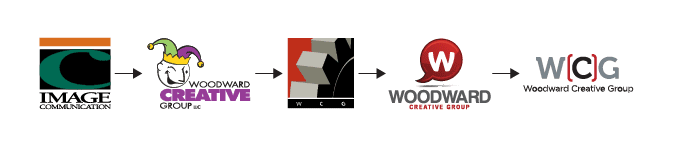
We both rebranded and refreshed our own brand a few times since our start in 1992.
A brand refresh is a strategic update to an existing brand identity without completely changing its core recognition. Think of it as modernizing rather than reinventing.
A brand refresh typically keeps foundational brand elements intact while refining typography, color systems, and professional logo design to feel more current and aligned with evolving digital design and accessibility standards, as reflected in modern industry trends and insights from the Adobe Design Blog.
Common elements of a brand refresh include:
A refresh works best when a brand already has strong recognition but feels visually outdated or inconsistent. It allows businesses to stay relevant without losing the equity they’ve built over time.
For example, many established businesses choose a refresh when transitioning from print-heavy branding to a more digital-first presence. Many businesses also pair a refresh with an updated website design to create a more consistent digital experience.
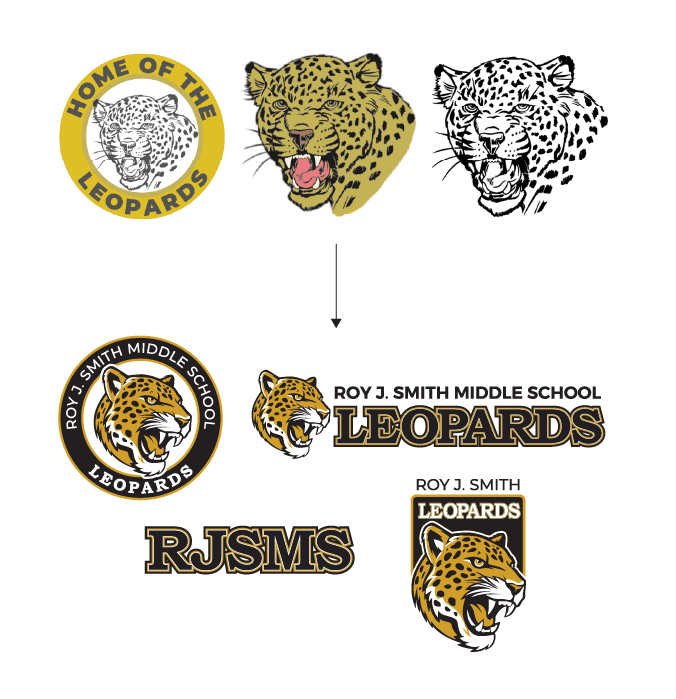
In 2026, we refreshed the brand and provided multiple logo assets for Roy J. Smith Middle School in Killeen, TX.
A rebrand is a complete identity transformation of a business, municipality, school, or association. This goes far beyond updating a logo—it redefines how a business presents itself to the world.
A rebrand often includes a new name, new messaging, new visual identity, and a new strategic direction. It is not just a design exercise; it is a repositioning of the entity itself.
A rebrand may include:
Rebrands are typically necessary when a business has evolved significantly. This might include mergers, acquisitions, expansion into new markets, or a shift in core services.
In some cases, a rebrand is also used to distance a business from outdated perceptions or previous branding that no longer reflects its mission.
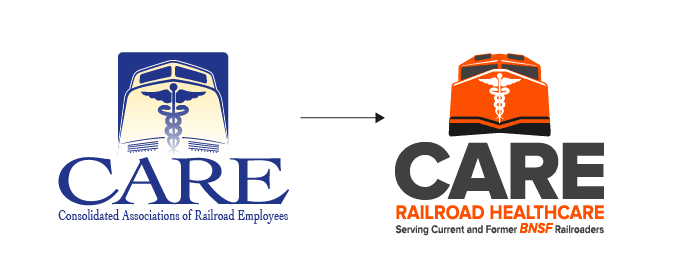
We rebranded CARE, a health plan provider for current and former employees of the Burlington Northern Santa Fe Railroad (BNSF). The updated identity more closely aligns with the BNSF color palette and features a modernized typographic style for improved clarity and visual impact. The original descriptor line, “Consolidated Association of Railroad Employees,” was updated to “Railroad Healthcare” to better reflect the organization’s purpose and service offering. In addition, a new tagline—“Serving current and former BNSF Railroaders”—was introduced to further reinforce the organization’s connection to its audience and community.
While both strategies aim to improve brand performance, the scale and intent are very different.
Understanding these differences helps businesses avoid overcorrecting—or under-evolving—their brand identity.
A brand refresh is often the right move when the foundation is strong but the execution feels dated or inconsistent.
Signs a refresh may be needed:
A refresh allows businesses to stay competitive without losing the trust and recognition already built. It is especially effective for companies that want to improve digital presence, enhance user experience, or unify marketing materials.
A rebrand becomes the better option when the existing identity no longer reflects the business itself.
Indicators a rebrand may be needed:
In these situations, a refresh would not go far enough. The business needs a complete reset to communicate its new identity clearly and effectively.
A rebrand allows a business to redefine its story and reintroduce itself with intention and clarity.
Whether choosing a refresh or a rebrand, strategy is the foundation of success. Design alone is not enough. Without clear positioning, even the most visually appealing logo will fail to connect with the right audience.
A strong branding process typically includes:
This is where an experienced creative partner like Woodward Creative Group provides value—ensuring that design decisions are rooted in strategy rather than trends.
Branding choices directly impact SEO performance and digital visibility. A well-executed refresh or rebrand improves how users interact with a business online.
Key SEO benefits include:
Search engines reward clarity, consistency, and user experience, as outlined in Google’s Search Essentials. A modern brand identity supports all three.
Deciding between a rebrand and a brand refresh is not just a design decision—it is a business strategy decision.
A brand refresh strengthens what already works, helping businesses stay modern and competitive without losing recognition. A rebrand, on the other hand, creates a clean slate for businesses that have fundamentally evolved or outgrown their current identity.
Both approaches can drive growth when aligned with clear strategy, thoughtful design, and a deep understanding of the target audience.
For businesses navigating this decision, working with an experienced creative partner ensures that the outcome is not just visually appealing, but strategically effective and built for long-term success.
Let’s go to work!